
By Matt Valley
Rising demand for home care and home healthcare in seniors housing is primarily driven by a rapidly aging population, with over 10,000 baby boomers turning 65 daily. According to the U.S. Census Bureau, the share of the population age 65 and older steadily increased from 12.4 percent in 2004 to 18 percent in 2024.
Moving up the age chart, the 80-plus population nationally is expected to climb from 14.7 million people in 2025 to 18.8 million in 2030 and 22.9 million in 2035, according to NIC MAP.
A strong preference to “age in place,” the high prevalence of chronic health conditions among seniors and advancements in remote monitoring technology are fueling this shift, say industry experts.
Seniors Housing Business caught up with four operators who have answered the bell and are providing varying degrees of home care (non-medical) and home healthcare services.
Lifespark: Change Agent
Joel Theisen, founder and CEO of Lifespark, is a big proponent of what he calls “complete senior health,” which includes home healthcare, a slice of the business he is well-versed in. After all, he launched the company (originally named Agewell) as a private-pay home health and senior services provider in 2004 before it eventually expanded into managing seniors housing communities in 2021.

But Theisen believes home health and the entire healthcare system need to become “predictive and proactive instead of reactive and post-acute.”
Theisen loathes the word post-acute. “Home health is post-acute. Well, what happened to pre-acute? [The healthcare system] doesn’t pay for preventative, proactive services. That’s the problem in my mind. It’s not healthcare, it’s sick care,” says Theisen, a registered nurse who holds a bachelor’s degree in nursing.
“A lot of the polychronic seniors that are in home care could [benefit from] a longitudinal relationship, even with a home health company,” emphasizes Theisen. That’s currently not possible, he says, because the Patient-Driven Groupings Model (PDGM) for home health is driven by a reactive, episode-based payment structure established by the Centers for Medicare & Medicaid Services rather than a continuous, value-based payment structure.
In 2020, for example, PDGM changed the unit of payment from 60-day episodes to 30-day periods, forcing a more frequent re-evaluation of care that disrupts long-term stability.
Against that backdrop, Lifespark in January unveiled its COMPLETE Senior Living (CSL) model, with plans for significant growth. The CSL model integrates four key components: Lifespark Senior Living Management, SPARK Growth and Wellness led by Dr. Bill Thomas, Lifespark Medical Group, and Lifespark Hospice.
This model fundamentally differs from Lifespark’s previous approach by unifying formerly separate service lines into a single, integrated operational and financial framework.
“The growth of the aging population has created unprecedented market opportunity at the intersection of seniors housing and health care services,” stated Theisen in the press release announcing the rollout.
“CSL is not about meeting demand, it’s about driving innovation forward in an industry ready for change. Integration, experience, affordability, and addressing rising acuity are all critical parts of the model.”
Studies show there are over 61 million seniors (age 65 and above) in the U.S. with projections showing over 78 million by 2040. “And yet, only 2 percent live in senior housing,” noted Theisen in the press release.
“That’s still a significant market to capture. However, building more communities isn’t enough. We understand at a fundamental level how important it is to localize health care to drive better health outcomes and experiences for seniors and their families, especially in senior living,” the CEO added.
Based in St. Louis Park, Minnesota, Lifespark manages 51 senior living communities totaling 3,844 units in two states: Minnesota and Wisconsin. The portfolio includes 46 communities in The Gopher State, 43 of which offer independent living, assisted living and memory care. The other three are skilled nursing facilities (SNFs). The five properties in Wisconsin are all SNFs.
The company, which aims to double the size of its portfolio to 100 communities by 2027, offers a comprehensive, “whole-person” senior health model that extends well beyond traditional senior living communities. These services are designed to support seniors wherever they call home, including within the broader community.
Key services include primary geriatric care, hospice, skilled home health and private-pay home care.
All told, Lifespark serves about 5,500 seniors per day and approximately 12,000 seniors per year, but those figures fluctuate based on length of stay and patient turnover. The company’s annual revenue is just under $100 million.
‘Boxes’ of Care
Under the broad umbrella of home health, there are specific “boxes” or categories of care that the company offers, emphasizes Theisen.
Lifespark’s Community Home Care program provides private-pay home care and private duty services such as non-medical daily support, companionship, homemaking such as light housekeeping and linen services, and medication reminders.
Unlike standard home care, all Lifespark caregivers work with a registered nurse case manager who guides care, manages medications and provides clinical oversight.
“That’s cash on the barrelhead. You call us out and we provide three to 24 hours of live-in services,” explains Theisen. The private duty business generates about $9 million annually for Lifespark.
Lifespark Skilled Home Health provides Medicare-certified, in-home clinical care following illness, injury, or surgery to improve strength, balance, and mobility. The business generates about $30 million annually.
Lifespark Hospice offers comprehensive palliative and end-of-life care focused on physical, emotional and spiritual needs of the patient. It’s approximately a $20 million business.
Lifespark’s flagship, comprehensive senior health model is called LifeSpark COMPLETE. Often referred to as “4-star” or high-quality, proactive, and value-based in-home care program, LifeSpark COMPLETE integrates in-home primary care, medical management, and navigation services to help seniors maintain independence. The program is offered through participating Medicare Advantage plans.
Ultimately, Theisen is seeking to move beyond the medical silos and fragmentation prevalent in the seniors housing industry and focus on what’s most important. “Your core competency should be delivering value to the senior.”
Ascension Living Expands Its Mission
Home health is projected to experience the most substantial growth in post-acute care over the next five years compared with skilled nursing, long-term acute care and inpatient rehabilitation, says Lisa Musgrave, senior vice president of post-acute and at-home services at Ascension Living.
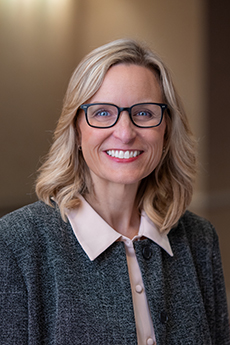
The faith-based, nonprofit senior living provider headquartered in St. Louis, Missouri, is part of Ascension, one of the nation’s largest Catholic healthcare systems. Ascension Living owns and operates 17 seniors housing communities that provide a continuum of care across eight states and Washington, D.C. The owner-operator also offers a comprehensive mix of in-home healthcare and support services.
Studies have repeatedly shown that Americans prefer to receive care in their homes, according to Musgrave. “A 2021 survey by The Associated Press-NORC Center for Public Affairs Research found that 88 percent of people prefer to receive ongoing care at home or with loved ones. In addition to providing a safe and comfortable environment, home-based care leads to better outcomes after treatment or hospitalization.”
Patients treated at home were significantly less likely to be admitted or readmitted to the hospital and had fewer emergency room visits, the studies show. “By enrolling in the appropriate level of home-based care, a person can receive the care he or she needs at home rather than requiring a trip to the hospital or other site of care,” explains Musgrave.
Ascension Living operates 1,447 skilled nursing beds, 1,284 independent living units, 342 assisted living units, 157 memory care units, four Program of All-Inclusive Care for the Elderly (PACE) programs, plus 66 Ascension at Home locations covering eight states.
Ascension at Home together with Compassus cares for an average of 10,500 patients each month, providing skilled nursing, therapy and home infusion services. Many of those we serve are seniors transitioning safely from acute care back to the comfort of home.
Meanwhile, Ascension Living Live at Home is a membership-based program for adults age 55 to 85 that helps them age in place by coordinating, planning for, and providing long-term care, home maintenance and support services in their own homes.
Survey Data Corroborates Trend
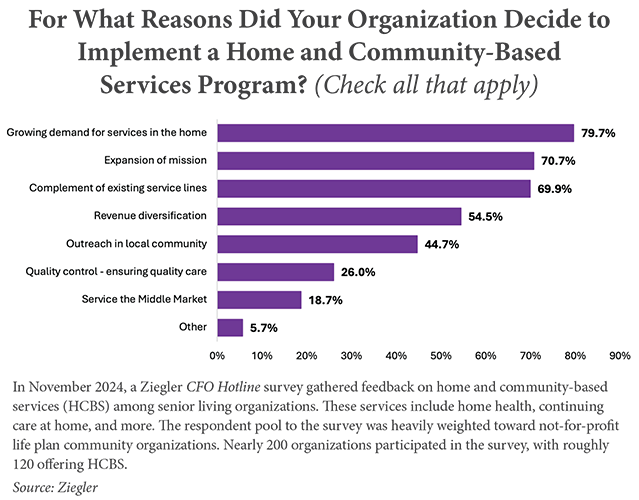
The increased availability of home and community-based services (HCBS) — including home health and continuing care — is reflected in the results of a Ziegler CFO Hotline survey of senior living organizations conducted in November 2024.
Nearly 200 organizations participated in the survey, with roughly 120 offering HCBS, or about 60 percent. The respondent pool was heavily weighted toward not-for-profit life plan community organizations.
The survey results didn’t come as a surprise to Musgrave. “An increasing proportion of Americans are dealing with multiple chronic conditions; 42 percent have two or more, and 12 percent have at least five. Evolving care models to meet the needs of the older U.S. population are foundational to our mission,” she emphasizes.
“As senior living organizations, we recognize that we are not just providing a place to live — we are our residents’ homes. And in many cases, we also become their family. As we build our communities, we want to ensure that we have the resources to care for our residents like we would want our family members cared for,” maintains Musgrave.
Ascension Living’s services such as PACE and Live at Home help seniors to live independently for as long as possible.
Discovery’s Compelling Growth Story
Discovery At Home (DAH) is a Medicare-certified home healthcare provider that currently serves hundreds of seniors in Florida and Texas across four service lines: home health, outpatient therapy, personal care services and personal fitness.
The scope and mission of DAH have increased significantly over the years as its parent company, Discovery Senior Living, has grown to become the largest privately held operator of seniors housing in the U.S., according to the American Seniors Housing Association.
Launched in 2015 to serve residents within Discovery Senior Living communities, today a growing portion of seniors served by the home healthcare agency live outside of Discovery communities, says Richard Hutchinson, co-founder and CEO of Bonita Springs, Florida-based Discovery Senior Living. The giant operator’s portfolio includes nearly 47,000 units across approximately 420 communities in 40 states.
“Over time, the strength of our clinical outcomes and physician relationships has expanded referrals beyond our owned and operated portfolio into the broader markets where we operate in Florida and Texas,” says Hutchinson.
DAH comprises more 300 team members, including nurses, therapists, home health aides, personal care staff and operational support personnel.
The home healthcare agency came into existence during a critical point in the evolution of the industry, recalls Hutchinson.
“While Discovery had deep expertise serving seniors within communities, our team recognized a growing need for coordinated, high-quality care for seniors who prefer to remain in their homes whether transitioning from a hospital stay or managing chronic health conditions.”
At the time of launch, the market lacked a trusted, clinically strong provider that could bridge hospital-to-home transitions while maintaining consistency of care, maintains Hutchinson. DAH filled that void by combining certified clinical services with personalized support and embedding itself deeply within the communities it served.
Hutchinson says DAH’s guiding philosophy is that it wants to be a resource rather than simply a vendor. Physicians are not contractually obligated to refer patients to any one home health provider. Referrals are earned through outcomes, responsiveness, and trust. “DAH built durable physician relationships by consistently delivering strong patient results and reliable service,” he emphasizes.
DAH currently accounts for a relatively small percentage of Discovery Senior Living’s overall revenue, says Hutchinson, who didn’t provide any further detail. “Growth has been measured with an initial focus on building strong operational foundations in Florida and Texas. That said, revenues have steadily increased as DAH has matured and the demand for home-based services has grown.”
More importantly, as Discovery Senior Living has scaled to operating 420 communities in 40 states through its nine distinct management companies, the growth opportunity for DAH has also increased significantly, Hutchinson points out.
“Additionally, with demographic tailwinds accelerating and more seniors seeking care in home settings, DAH is positioned to become an increasingly meaningful contributor over time.”
Ultimately, DAH is a strategic extension of Discovery Senior Living’s commitment to whole-person care, says Hutchinson. “It is not simply an ancillary service, but an integrated component of how Discovery delivers a seamless continuum of care.”
The business has grown from a single agency into a multi-state platform with multiple agencies and outpatient therapy licenses. “DAH is accredited by the Accreditation Commission for Health Care (ACHC), confirming DAH meets the highest standards quality and safety in patient care, and a strong clinical workforce all while navigating significant regulatory changes and industry consolidation,” notes Hutchinson.
“Most importantly, DAH strengthens communities, improves resident outcomes and positions Discovery and its management companies to carefully scale post-acute care in response to accelerating demand for home-based services,” asserts the CEO.
Companion Home Care Can Be a Godsend
In 2021, Juniper Communities launched Willows@Home, a licensed personal assistance service that provides home care and supportive services to seniors. This non-medical, companion support service, which is primarily utilized by independent living residents, currently serves about 150 seniors total in Texas and Pennsylvania.
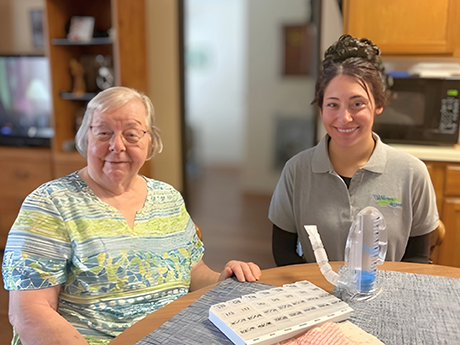
The program not only supports residents already living with Juniper-operated senior living properties, but also seniors in the broader community.
Seniors utilize Willows@Home for a variety of non-medical related support needs, says Donald Breneman, chief operating officer for Bloomfield, New Jersey-based Juniper Communities, which operates 28 senior living communities across five states: Colorado, New Jersey, Pennsylvania, Texas, and Delaware.
“Some residents might just need help with a few loads of laundry, whereas others might need full-time supervision, all the while remaining in their current environment,” says Breneman.
More specifically, Willows@Home provides assistance with activities of daily living such as dressing, bathing and grooming; meal preparation, companionship and housekeeping; and medication management. The personalized service, which enables seniors to remain in their current setting without having to move to a higher level of care, has been positively received and has generated three to five new referrals per month, according to Breneman.
“So often, family members and friends are providing considerable support for persons living independently in older adult environments. This can be as simple as changing bedding, doing a load of laundry, or taking a person shopping for weekly groceries — and it can take up a lot of time and resources,” says Breneman.
“Companion home care really has a significant benefit for those trying to keep their mom or dad in their current apartment, or to fill in when they can’t be there routinely.”
How strong is consumer demand for Willows@Home? Breneman says that the personalized service, which is only offered in select markets in Pennsylvania and Texas, reaches 30 percent of residents at Juniper-operated independent living communities in those markets. Juniper has budgeted 18 percent growth in same-store sales year over year for the companion-service program.
Because Juniper’s Connect4Life program had already integrated home healthcare, clinical services and other ancillary services, the owner-operator made a strategic decision five years ago to focus on ramping up its in-home care and supportive services business, according to Breneman.
“Non-medical companion services are a great option for Juniper because it does not duplicate our core services,” he points out. “Having a private-pay option to address a highly specific need can be a major determinant for a person being able to remain in their current setting, which supports individual dignity and independence and also extends length of stay revenue.”
— This article originally appeared in the February-March 2026 issue of Seniors Housing Business magazine.