
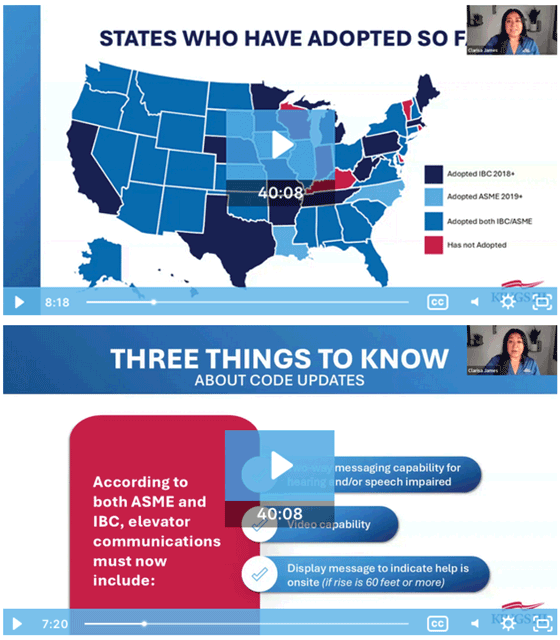
Emergency communication systems are facing pressure on multiple fronts:
- New elevator code requirements now adopted by most U.S. states are mandating video monitoring, two-way text, and display messaging capabilities
- Traditional landlines — the phone infrastructure most life safety devices still rely on — are being phased out by carriers nationwide
- Costs, maintenance responsibilities, and proprietary equipment traps are catching operators off guard during modernization projects
This webinar with Kings III Emergency Communications offers a look at what’s changing, what it means for budgeting and compliance planning, and how to evaluate your current systems before a problem — or a modernization project — forces the issue.
“The phone itself is only one piece of the emergency response chain. What truly matters is what happens after someone presses the button.”
— Clarisa James, Kings III Emergency Communications
This webinar was sponsored by Kings III, a full-service emergency communications provider specializing in 24/7 monitored help phones. The company supports senior living communities nationwide with code-compliant solutions designed for reliability as legacy phone infrastructure is retired. Learn more here.
For more information on the seniors housing industry, subscribe to the weekly Seniors Housing Business newsletter or the bi-monthly magazine. To listen to past Seniors Housing webinars, click here.