
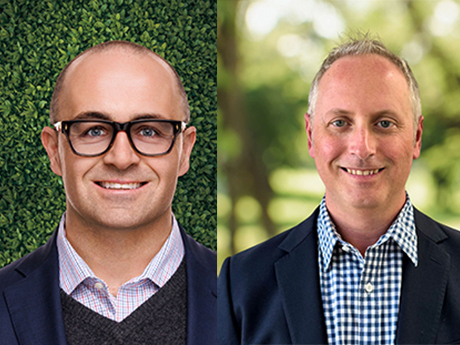
By Michael Pittore and Forrest Westin
What makes a life healthy and happy?
In 1938, the Harvard Study of Adult Development set out to answer that question through what would become one of the longest-running studies of human well-being in history. It began with 724 young men, some of whom were Harvard students. Over the decades, the study expanded to include the wives and children of the original participants, eventually following more than 2,000 people spanning three generations.
Across these varied lives and experiences, one finding stood out. Individuals with strong, supportive relationships were happier, healthier and lived longer. Fulfilling relationships (beyond those with immediate family members) proved to be the strongest predictor of happiness throughout life.
That conclusion should challenge every senior living operator. It is both an opportunity and a call to action. This awareness forces us to reflect on how we invest our time, what we prioritize and how we structure the environments we create for others. The cultures we build within our communities — and within our organizations — should be informed by the fundamental importance of human connection.
Operating with Intentionality
The outsized impact of human connection raises important questions. Are senior living communities and processes intentionally designed to foster meaningful relationships? Are we creating real opportunities for residents to connect with one another? Do staff members have the time, space and encouragement to sit down with, listen to and form genuine bonds with the residents for whom they care?
At its best, these goals are what senior living has always been about — and what it must continue to be.
While good food, well-designed spaces and modern amenities all matter, they will never have the same impact on a resident’s quality of life as human connection. Harvard’s landmark study confirms what many of us have long known intuitively — the human touch matters most.
Across the industry, there are signs that a shift is underway.
For instance, when comparing the dining options found in communities today with senior living dining just five years ago, the difference is stark. The transformation isn’t just in food quality, but in the spaces and experiences themselves.
Operators across the country now view their community dining rooms as restaurants, rather than cafeterias. This means an emphasis not only on well-designed spaces and higher quality food experiences, but also — and most importantly — environments built for human connection and shared experiences.
Many operators are also increasingly investing in life enrichment. From sporting events and concerts to outings at movie theaters and local parks, more communities are encouraging residents to get out and experience the world, and to do so with others. These shared experiences are irreplaceable, and they are a means of cultivating real, lasting relationships.
We have seen those kinds of relationships firsthand. Recently, a caregiver at one of Agemark’s communities in Iowa asked a resident to serve as a bridesmaid in her wedding. That doesn’t happen as the result of a policy or a program. It happens because two people formed a genuine friendship that transcended age.
Moments like that are the quiet magic of senior living done well. And it’s only possible when people are given the time and permission to truly connect. The result is deeper fulfillment and lasting happiness.
Looking Ahead
The efforts in place are a good start, but the work cannot stop with culinary experiences and life enrichment.
What about the residents who, due to physical or safety restrictions, cannot easily leave the property? How do we ensure they have the same opportunity to build meaningful relationships? Are care staff given time and encouragement to engage with all residents, not just those who can participate in activities? Should access to meaningful human connection depend on price point?
These are questions that our industry must be willing to confront.
We believe that prioritizing human connection in every area of senior living can change not only the narrative around our industry, but the reality of what aging can feel like. If we are truly serious about changing both the perception and lived experience of aging, encouraging meaningful relationships must sit at the very top of the list of priorities for seniors housing providers.
For all of us fortunate enough to work in senior living, an industry in which we are responsible for stewarding the environments older adults call home, creating communities that promote connection is not a choice; it is an obligation.
This emphasis on cultivating connection must become the industry standard, not the exception. That progress, more than anything else, could redefine both the perception and reality of aging in America — one relationship, one community and one meaningful connection at a time.
Forrest Westin and Michael Pittore are the co-CEOs of Agemark Senior Living, leading 28 communities across six states in the U.S.