
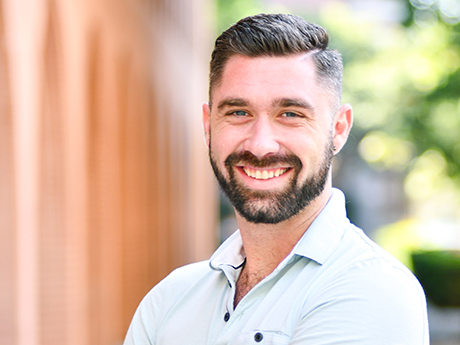
By Steven Stumph
The senior living industry is currently navigating a seismic shift. As the sector moves beyond traditional “care-and-custodial” models toward more proactive, people-centered approaches, senior living executives must rethink how communities support the whole resident — beyond delivering care.
In 2026, maintaining a competitive advantage requires more than real estate acumen or operational efficiency — it requires a sophisticated understanding of aging itself. As resident expectations become more individualized and our understanding of the needs of older adults grows increasingly complex, industry leaders must be able to translate the science of aging into strategies that improve both quality of life and organizational performance.
Study of Aging
A degree in gerontology, the interdisciplinary study of aging and older adults, can provide the essential foundation for these strategies. Education in the field of gerontology provides a specialized lens, offering a multidisciplinary understanding of the biological, psychological and sociological complexities of the older adult experience. For senior living executives, this knowledge can inform the design of resident programming as well as guide workforce development.
In a market where 73 percent of incoming residents demand personalized, preference-driven care, this expertise can become a meaningful competitive advantage. Rather than viewing older adults as a single demographic, gerontology encourages leaders to recognize the significant variation in how individuals age. An executive with an understanding of neuroplasticity, age-related sensory changes and the social determinants of health is better positioned to anticipate changing needs and design services around the individual.
The result is a senior living community wherein residents can maintain autonomy, pursue meaningful engagement and remain connected to the people and activities that matter to them.
“I used to wonder whether I could truly make a difference and build a sustainable career at the same time,” says Michael Zuletta, executive director of Silverado Senior Living. “Gerontology answered that question for me. Our residents aren’t just being cared for — they’re thriving.”
Precision and Performance
Specialized gerontological knowledge translates directly into business performance and market differentiation. In an increasingly crowded senior living market, the ability to understand why residents respond differently to care, programming, environments and services gives gerontology-trained executives a distinct advantage.
Gerontology-trained leaders are also uniquely equipped to implement “Precision Wellness,” a 2026 industry standard that uses artificial intelligence and biometrics to detect health risks before they become crises. Technology alone, however, does not create better outcomes. Leaders need the expertise to interpret data within the context of aging and understand how changes in cognition, mobility, sensory perception, sleep, nutrition and social connection can influence a resident’s health and behavior.
Asking Better Questions
Gerontology provides a framework for posing better questions before implementing new technologies or interventions: What does this data actually tell us? What does it fail to capture? How might an individual resident’s history, preferences, abilities or environment change the interpretation?
This combination of human insight and measurable data can strengthen operational decision-making. As organizations shift from reactive to proactive models of support, executives can identify emerging needs earlier, coordinate interventions more effectively, and significantly reduce avoidable hospitalizations and other costly disruptions.
At the same time, a stronger focus on wellbeing, engagement and individualized experiences can contribute to resident satisfaction, family confidence, and longer-term retention.
In this way, gerontology becomes a strategic business asset. The science of aging provides the knowledge to transform personalization from a marketing promise into an operating philosophy — understand the individual, identify emerging needs, measure what works and continuously refine the experience. In a sector increasingly defined by consumer choice and expectations for individualized wellbeing, that precision can become a powerful source of both resident value and competitive advantage.
Systemic Solutions
The value of gerontological leadership extends beyond individual resident outcomes. As senior living organizations face persistent workforce shortages, rising consumer expectations and increasingly complex resident needs, executives need a framework for building systems that support both the people who live in their communities and those who care for them.
Leaders with training in gerontology can bring a more informed perspective to workforce development. Understanding the physical, cognitive, and emotional dimensions of aging can help executives identify the specialized skills caregivers need and develop training programs that prepare staff to respond to residents as individuals rather than relying on one-size-fits-all approaches.
That investment can strengthen staff confidence, reduce caregiver burnout and create a more stable workforce. It can also help employees better understand the behaviors and needs they encounter every day, transforming challenging situations into opportunities for more effective, person-centered support. The downstream benefits can include stronger resident satisfaction, greater family trust, and improved organizational culture.
Gerontological leadership can also reshape how communities approach social connection. Social isolation and loneliness are increasingly recognized as significant threats to the health and wellbeing of older adults. A gerontology-informed executive understands that engagement is not simply an amenity; it is an essential component of a healthy aging strategy.
This perspective can move communities beyond standardized programming toward resident-driven micro-communities, intergenerational mentorship, interest-based groups and experiences built around individual identities, relationships, and life histories. Instead of asking residents to fit into the community’s activities, the community becomes more responsive to the lives residents bring with them.
Deliberate Design
The same principle applies to the physical environment. Age-friendly design, including biophilic environments, adaptive lighting, intuitive wayfinding, and spaces that accommodate different levels of mobility can mitigate fall risk and reduce cognitive fatigue, promoting safety, independence and cognitive comfort.
Gerontology-trained executives are positioned to evaluate these design choices as more than aesthetic or real estate decisions. They can assess how the physical environment affects the way residents move through, interact with, and experience daily life. A well-designed environment can reduce barriers, encourage independence and support dignity, while also contributing to a community’s overall value proposition.
Perspective Shift
Ultimately, the goal is to transform senior living communities into hubs of proactive vitality. Achieving that vision requires moving beyond standardized programming and reactive models of care. It requires leaders who can combine clinical knowledge, operational strategy, technology and human understanding, using that knowledge to tailor nutrition, fitness, cognitive engagement, social opportunities and daily experiences to serve individuals and larger communities.
Perhaps the greatest leadership advantage gerontology offers is a shift in perspective. When executives view aging not simply as a period of decline to be managed, but as a dynamic stage of life with opportunities for growth, connection, purpose and continued contribution, they begin to approach senior living differently.
They see residents not as diagnoses, care plans or occupancy statistics, but as individuals with histories, preferences, capabilities, relationships and aspirations.
That is not only a better model for senior living. It is a more forward-looking vision for aging itself.
Steven Stumph, Ed.D, is an admission counselor at the USC Leonard Davis School of Gerontology. He leads recruitment and engagement across 12 master’s degree programs, a graduate certificate and three doctoral programs. His work combines global outreach, evidence-based marketing, staff development and technology to connect diverse students with educational and career opportunities in gerontology and the health sciences.